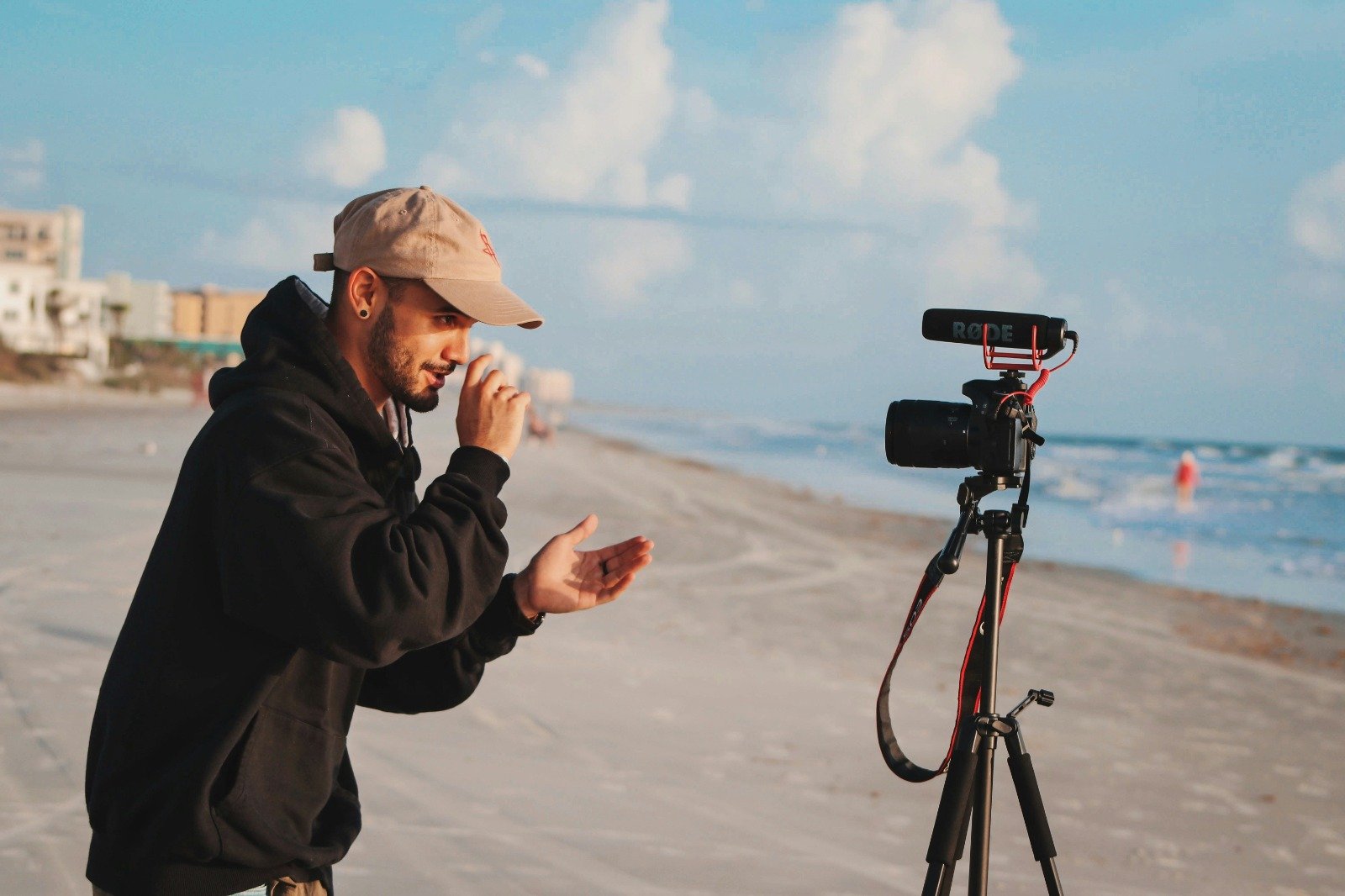

Most content creators do not start out trying to build a brand. They start by sharing ideas, entertaining an audience, or documenting something they care about. The name of a channel or handle is often chosen quickly, based on availability or vibe, not long-term strategy. The focus is on creating, not protecting.The problem is that the moment an audience starts to grow, the creator is no longer just a person posting content. They are building a recognizable identity, and that identity has value whether they intended it or not.
Why legal protection is relevant for creators
Most of the time, content creators face two main legal risks:
- Someone copying your content: another creator reposts your videos, reproduces your artwork, or uploads your music, it can steal views, revenue, and recognition.
- Someone using your name for products or services: If another person starts selling merchandise, courses, or other products under a name similar to yours, it can confuse your audience and hurt your revenue.
Understanding the difference helps creators act before problems become expensive or disruptive.

Copyright vs. trademark law
Copyright protects your original works: videos, audio, writing, graphics, and other creative content. Copyright is automatic: as soon as you create a work, you hold the rights. If someone copies your content without permission, copyright law allows you to request removal, issue a takedown notice, or pursue legal action.
Trademark, on the other hand, protects brand identifiers used in commerce. This includes your name, logo, or slogans that identify the source of goods or services. Trademarks do not protect free content, social media handles, or channel names unless those names are also used commercially.
While your videos are protected by copyright from day one, your name only becomes legally important once you start selling products or services under that name.
Why thinking like a brand early matters
Many creators assume they are “too small” to be noticed. But trademarks do not consider size. A small creator can face claims from established brands simply because a product name or logo overlaps with a registered mark.
Planning ahead doesn’t mean registering immediately. It means:
- Choosing a unique and distinctive name for products or services
- Avoiding names that are too descriptive or similar to existing brands
- Checking existing trademarks before launching merchandise
- Consider submitting your trademark for a free lawyer’s check to identify potential conflicts
Taking these steps before selling products ensures that your name is safe, avoids costly disputes, and protects the investment of your audience, content, and reputation. Additional guidance for effective brand protection for content creators as well as direct free lawyer’s check service can be found on Trama website.